Burning Autumn
 |  |
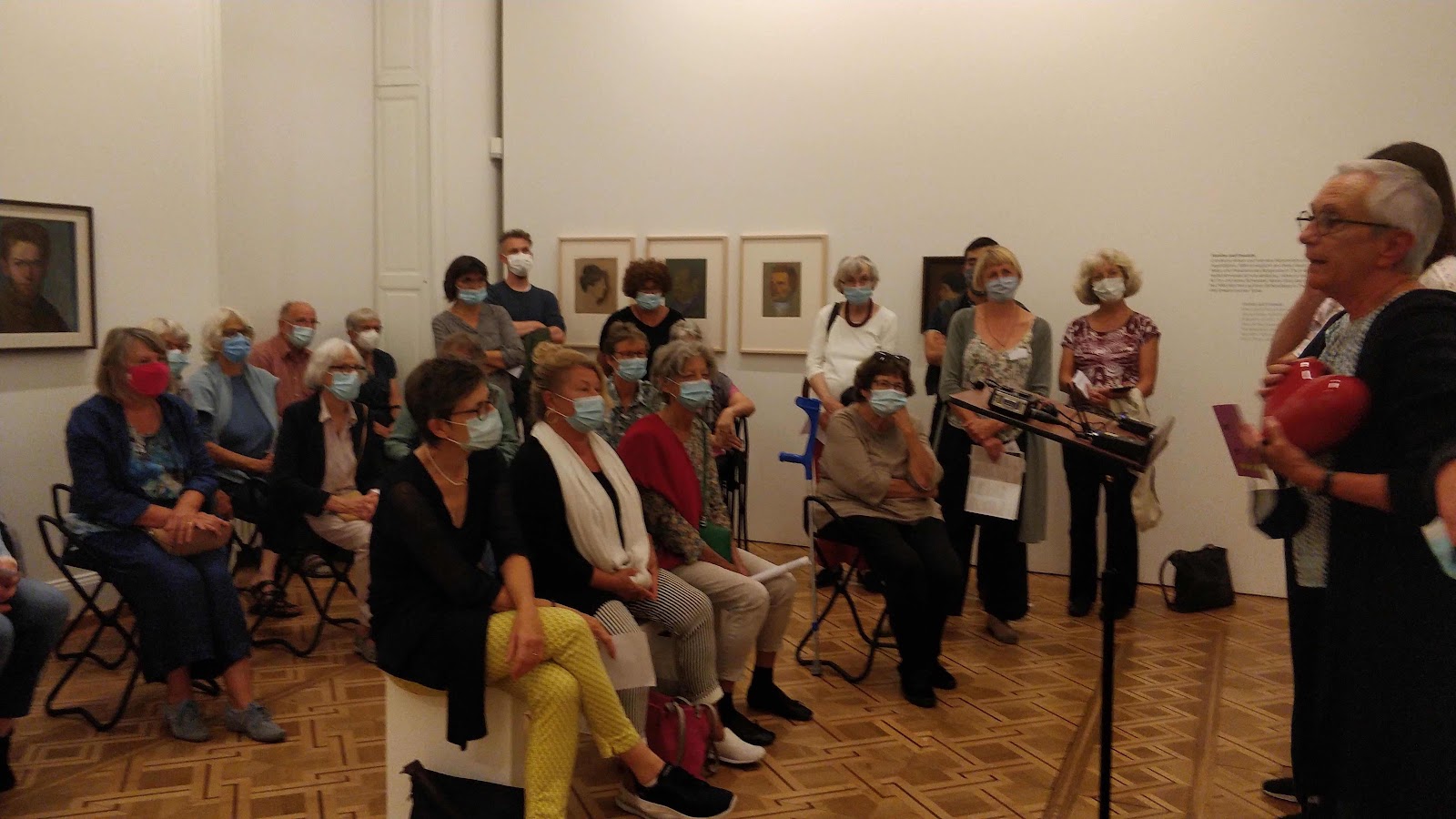

I chose Itten‘s 1954 work „Brennender Herbst“ or „Burning Autumn“ in English. Though I make the effort to practice my German writing as much as possible, my first reaction was to write something in English. Most of the works were in German, one in the Bernese variation of Swiss German (Bäärndüütsch), one in Russian.
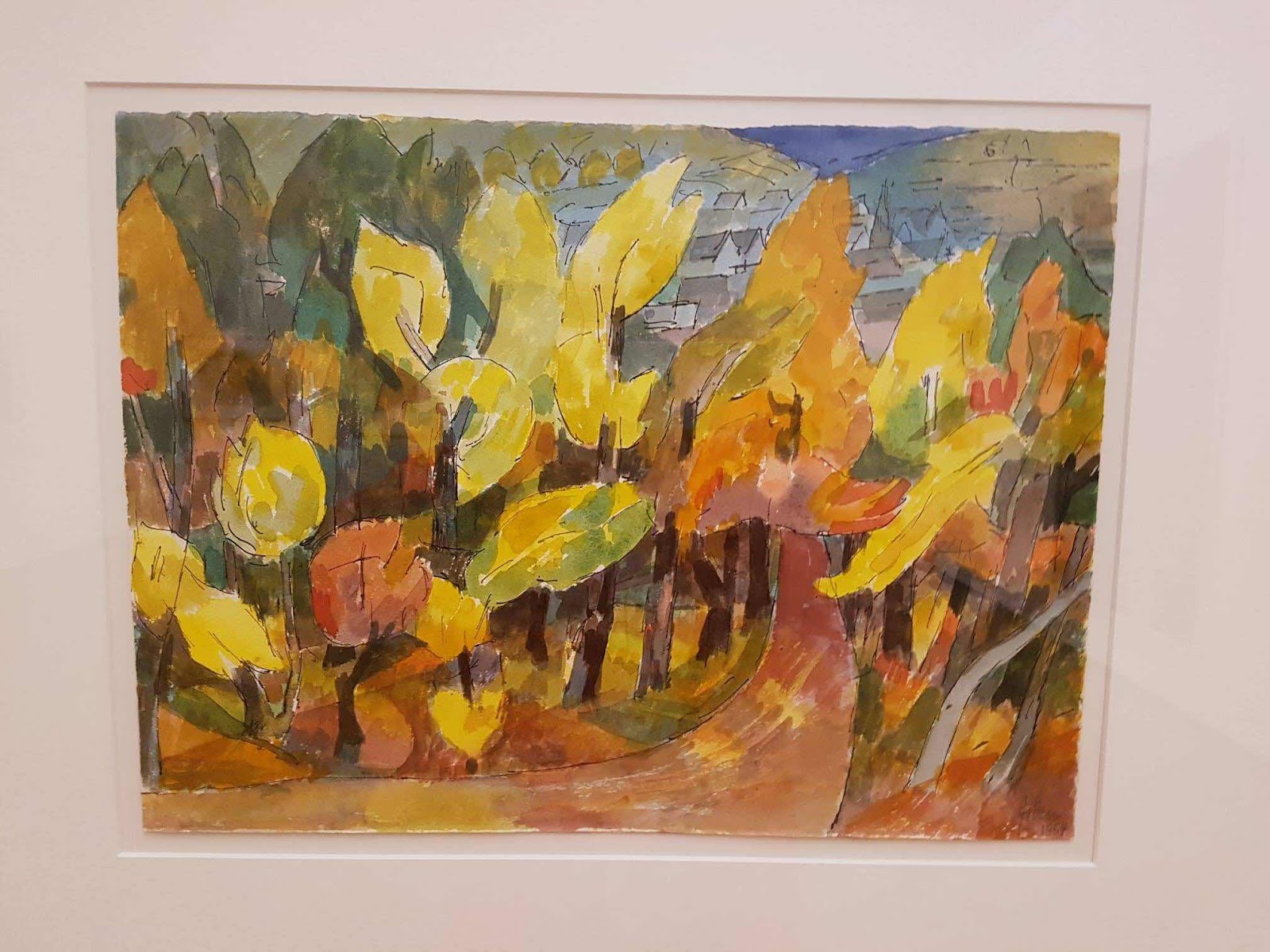
It‘s ironic to write about the burning autumn as I sit in the heat of late summer. Perhaps the only thing that summer and autumn have in common is a sense of burning. Heat. Flames. Don‘t these trees look like flames? The trunks, like wicks of a candle?
It‘s ironic to write about the autumn when the heat of the summer sun is beating on your back and the burning of Sunday grills creep into your nose.
It‘s ironic to write about the autumn when the trees are bushy and green, and the stinging bug bites briefly burn the skin on first contact.
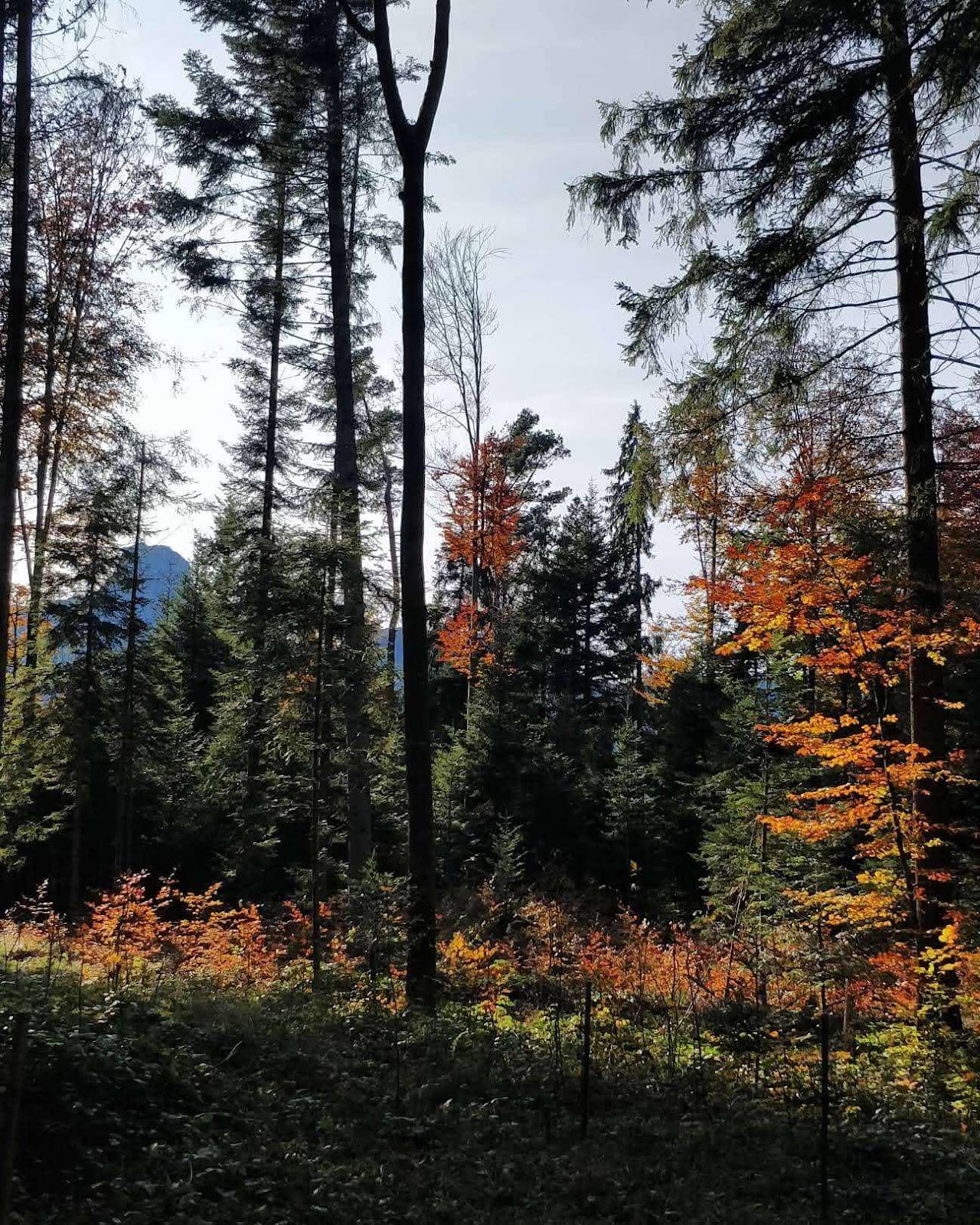
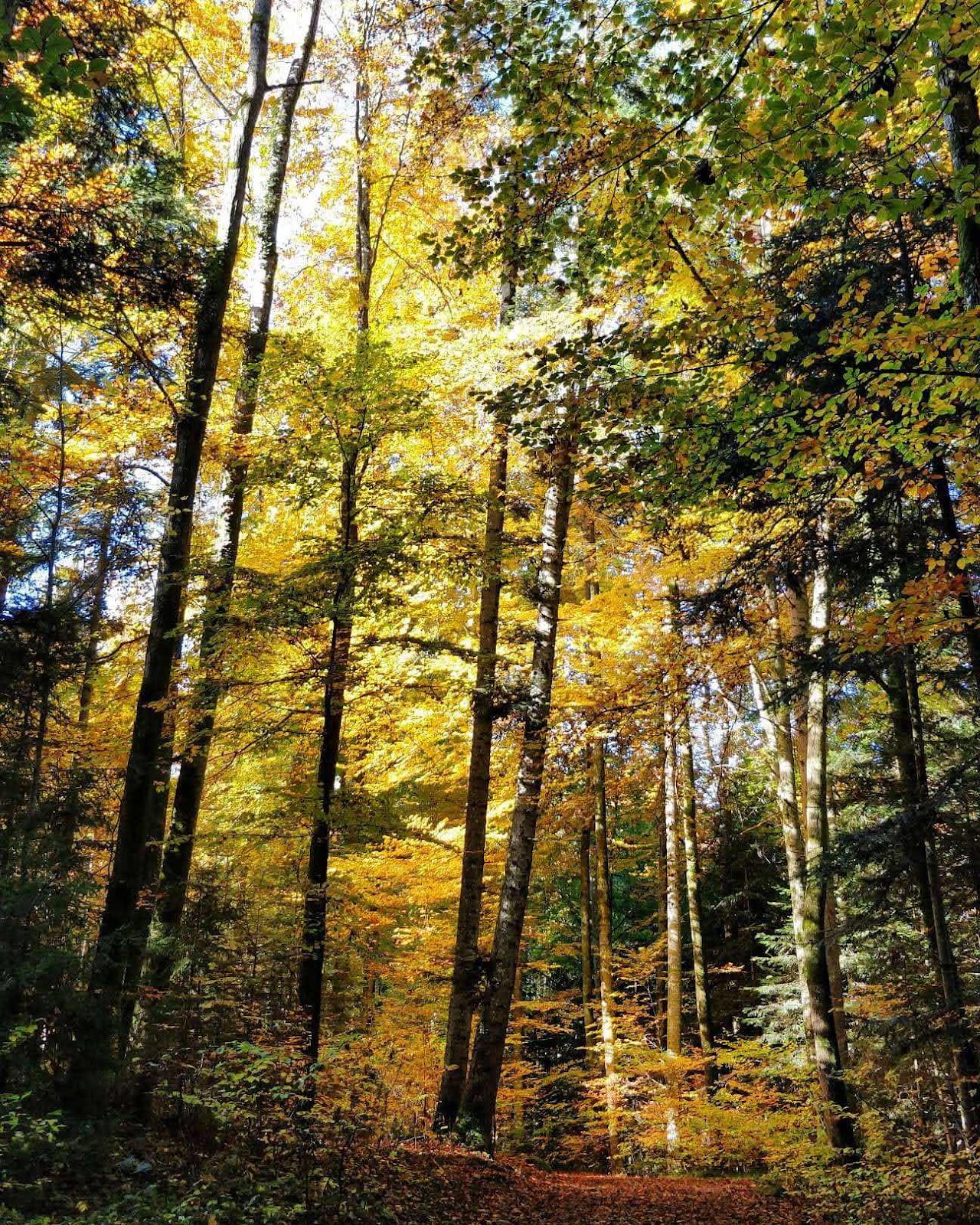
It‘s ironic that in the autumn, the trees burn with such fervor the brightest colours of the year. It‘s not the soft pastels of spring flowers, nor the deep greens and blues of summer follies in the mountains and lakes. It‘s a far cry from the bleak monochrome winter.
No — the autumn burns. It is ablaze. It is alive.
It‘s the last gasping breath of the earth — as if to say, I‘m still here. I will show you my life, my passion — my fire.
It‘s ironic that these leaves hold no more life, that the sun‘s energy is spent, and that they will eventually fall to the ground.
And even there, they still shout — I‘m still here! Crunch, crunch. I‘m alive! say the crackling of the dried leaves, the crackling of the fire.
Autumn is the season of transition, of slowing down and preparing for the seriousness of winter. The weather turns colder, the impending darkness creeps earlier into the day — such a contrast with the life of summer, its warmth and long lazy days.
But here, autumn has a dramatic side, perhaps playful.
Those burning leaves — yellow, orange, red ... green certainly can‘t compete with this show
Bäumebrennender Herbstgolden flimmernde FlammenBlätter rascheln am Bodenunterwegs

Comments
Post a Comment